Is Your Business Growing, or Just Getting Harder to Run?
We redesign and implement operating systems for hospitality businesses.
We bring people, systems, processes, leadership and technology together, with AI and automation built in from the start.
So your business can run better, grow sustainably and keep what makes it special.
The Hidden Cost of How Your Business Operates

Growth brings more customers, more employees and more complexity. But the way a business operates doesn’t always evolve at the same pace.
Over time, the warning signs become familiar:
These are not isolated problems. They are signs that the organisation needs to evolve.
_____
We Don’t Fix Departments.
We Redesign How the Business Works.
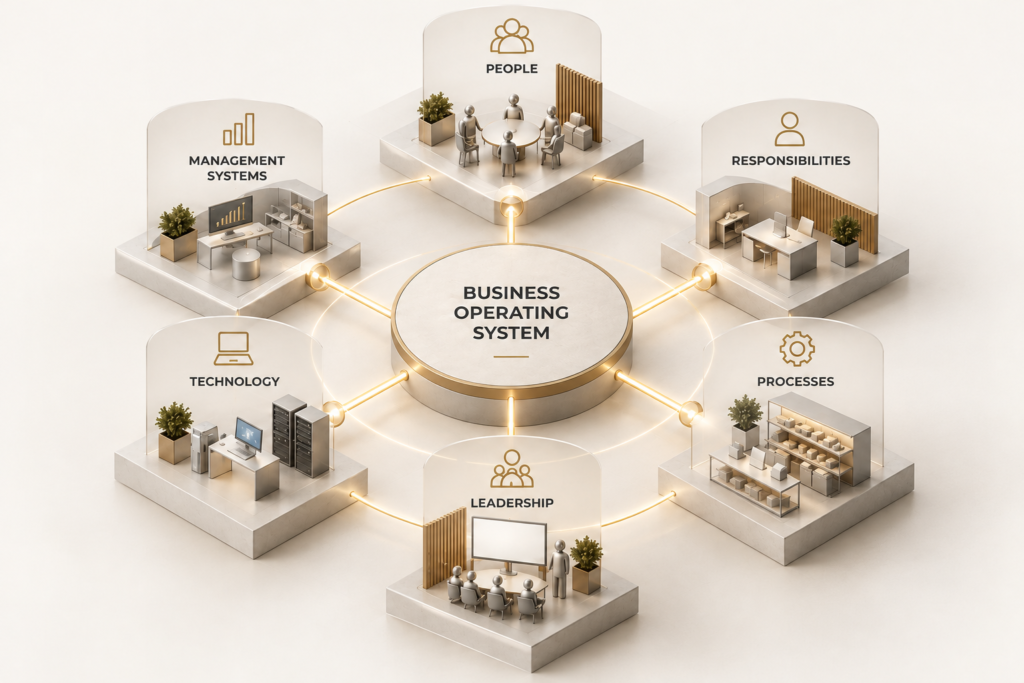
Every business relies on people, responsibilities, processes, leadership, technology and management systems working together.
At Between Forks, we look at how everything connects and redesign the way your business operates, with AI and automation integrated from the very beginning.
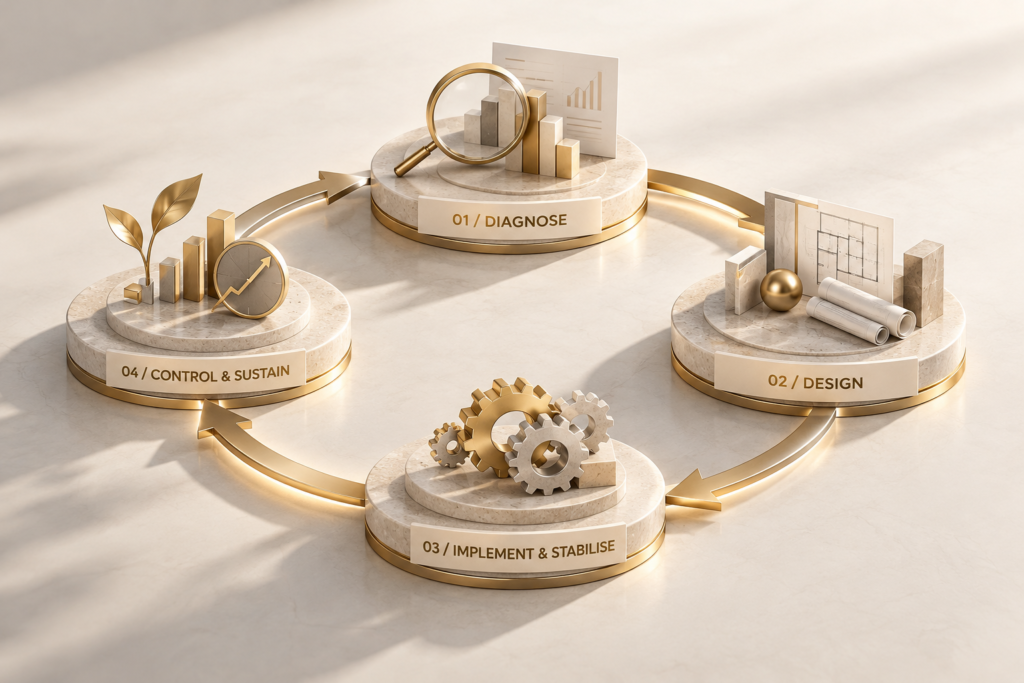
We don’t simply introduce new tools or improve individual processes. We find out what needs to change, understand why, put the right solutions into practice and measure whether they’re actually making a difference.
_____
More Profit. Consistent Standards.
Growth Without Losing Control.
Your business should become easier to manage as it grows, not harder.
More revenue should mean healthier profits, stronger teams and greater freedom to focus on what comes next.

Higher Profitability
Turn growing revenue into healthier profits by understanding where money is being lost and bringing everyday costs under control.

Consistent
Service Standards
Know that your guests are in good hands, even when you’re not there, with teams that deliver the quality your business is known for.

Less Dependency. More Freedom.
Grow your business with confidence, knowing your teams can make decisions and operations can run without your constant involvement.

Stronger Teams.
Lower Turnover.
Spend less time replacing and retraining people. Build a workplace where employees feel supported, take ownership and want to stay.
_____
OUR APPROACH
From Operational Complexity to a Business Built to Perform.
We don’t believe in handing you a list of recommendations and leaving you to figure out the rest. We work alongside you and your teams to turn the changes your business needs into everyday reality.
_____
Who We Work With
Built for Hospitality Businesses Ready for Their Next Stage.
From individual establishments to established hospitality groups, we work with owners and leadership teams who want to build stronger, more efficient organisations.

Growing Beyond Your Current Structure
Your business is expanding, but the systems, processes and responsibilities that once worked are no longer enough to support its complexity.
Ready to Improve Performance
You want stronger profitability, more consistent service standards and better cost control across your operations.
Preparing for Sustainable Growth
You’re planning your next stage of growth and need a stronger organisation, capable teams and reliable management systems to support it.
Meet the Founder
Built on Real Hospitality Experience.
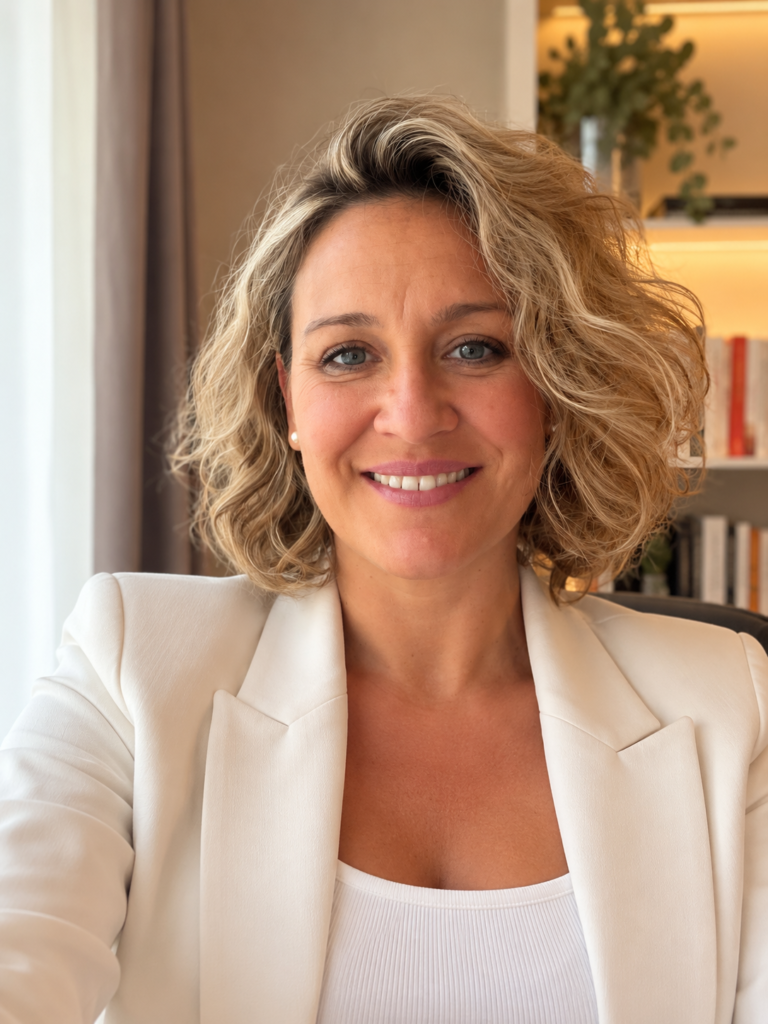
Meet Verónica Sánchez Martín, Founder of Between Forks™
Between Forks was born from years of hands-on experience in complex hospitality operations.
Working within hotel environments revealed a recurring challenge: businesses often grow faster than the structures, processes and management systems supporting them.
The consequences are familiar: rising costs, inconsistent operations, overwhelmed teams and leaders constantly solving problems that should not keep recurring.
I founded Between Forks to address these challenges at their source, redesigning how people, responsibilities, processes and leadership work together.
Lasting improvement doesn’t come from asking people to work harder. It comes from building a business that works better.

Your Business Has Grown.
Has the Way You Run It Kept Up?
You don’t need to keep accepting rising costs, inconsistent operations or constant pressure on your leadership team as the price of growth.
Let’s explore what’s holding your business back and what needs to change to build a more profitable, consistent and scalable operation.
Based in Vienna, Austria. Working internationally.